

The Bursting Bubble, Part I
A lot of things were on the other side of the fence.
There was a cemetery. I could see the tips of its gravestones from my bedroom window. Or maybe it was my eight-year-old imagination that gave me the power to look beyond a hill of crested wheatgrass, over a twelve-foot-high chain link fence, and past a four-lane street into a graveyard shrouded in trees and flowers. All I know is, imaginary or real, the only thing I ever saw when I crept to the window and peeked over the sill was a field of marble tombstones and vaulted mausoleums slithering into the sky.
There was a bus stop. Every thirty minutes or so, little groups would gather by a bench coated in black paint and white flyers to wait for the city bus to pick them up. There were never more than a few of them at a time: a family, here, a herd of teenagers on their way to the mall, there. Standing on the hill in my backyard, I would sometimes watch them through patches of wheatgrass, examining them like ants under a magnifying glass, seeing them as something other than human. They weren’t people. They weren’t real. They were…civilians.
There were trucks driving by and joggers dragging doberman pinschers and baby strollers down the sidewalk. There was a labyrinth of 7-Elevens and mini-malls, K-Marts and Pizza Huts. There was noise and strife and chaos, all exiled to the other side of the fence—refused the shelter of the base where I lived.
And there was a man on the other side of the fence.
He wasn’t waiting for the bus. One had just stopped at the curb, and he’d let it drive away without looking at it. He wasn’t facing the street.
He was watching us.
I don’t know how long he’d been standing there; I hadn’t noticed him before. It’s hard to notice ants when you’re building the world’s largest fort out of grass and spit. It was a project my next door neighbor, Jeanie, and I had committed to after my parents left for a PTA meeting and abandoned me to the care of my oldest sister. Within minutes of them leaving, she’d handed us a bubble bottle and a pair of rollers skates, then proceeded to kick us out of the house.
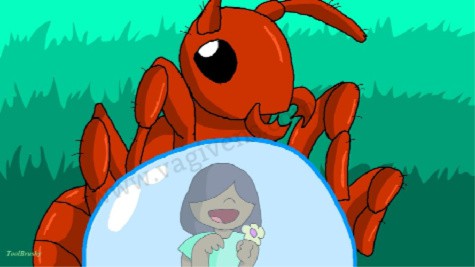
Jeanie hadn’t seen the man. She was hunched beside her pile of wheatgrass, trying to get its crumbling spikelets out of her bobby socks. The spiny tips had burrowed a home into the fur trim, and she was focused on plucking out each one without pricking herself. Her blonde hair, camouflaged against the sun-bleached grass, fell over her face to sweep the pile, collecting more spikes in its strands and blocking her view.
I absently pulled at a handful of grass. Looking down at the stack, I started to dismiss the man, but something drew my attention back to him. He was pacing, now. He walked back and forth, back and forth, in front of the fence, staring at me and Jeanie across the distance of the field like a lion sighting prey. With every stride, his gaze stayed fixed on us.
I studied him. I thought he might be young—maybe just out of teenagehood—but age to an eight-year-old isn’t all that easy to measure. Anyone over the age of twelve might as well be pushing senior citizenship. He was skinny, with ratty jeans hanging from his bony frame to scrape the sidewalk. His hair was long and stringy, brushing across his shoulders as he marched in front of the fence. A colorful bandana crossed his forehead, holding the hair back from his face. But I couldn’t see his face. There was a good 20 yards between us, and his features were distorted behind the metal barrier that helped to separate us.
And there was a metal barrier. Jeanie and I were on a military base. We were under the protection of the government. We had MPs. So the man didn’t scare me. He was just a bug, stranded in some other land, waiting to be stepped on.
“Look at that guy, Jeanie,” I scoffed. “He looks like he wants to do something to us.”
She plucked a thorn from her sock and gazed across the hill. She snorted. “Yeah. Stupid.”
We giggled. I handed Jeanie another stack of grass, and construction of the fort continued. Our attention was soon consumed with weaving the four-foot-long strands together. We discussed who would be allowed into the fort when it was done—both of us pinky-swearing that all siblings would be put on the “Forbidden” list.
We took a break, giving Jeanie time to empty another batch of spikes from her left shoe, when a whisper suddenly tugged at my mind. It spoke no words—just nudged at me to look up. I did. And I saw the man: climbing the fence, near its top, about to jump onto the other side.
Our side.
He stared at us as he rounded the top of the fence. With a strong vault, he hurtled to the ground and landed on his feet in a solid thump. He began to run in our direction.
“Jeanie, run!” I shouted.
Her head whipped up. Eyes wide in confusion, she looked at the man racing across the field toward us. Grass fort forgotten, she took off, leaving her shoe behind as she stumbled down the hill to her home.
I sprinted in the other direction, toward my own house, crying in blind terror. My safety bubble had been broken, and I ran through its shattered pieces, not knowing how close behind me the man was. I ran, not understanding how the ant had somehow become a giant.
TO BE CONTINUED…

A lot of things were on the other side of the fence.
There was a cemetery. I could see the tips of its gravestones from my bedroom window. Or maybe it was my eight-year-old imagination that gave me the power to look beyond a hill of crested wheatgrass, over a twelve-foot-high chain link fence, and past a four-lane street into a graveyard shrouded in trees and flowers. All I know is, imaginary or real, the only thing I ever saw when I crept to the window and peeked over the sill was a field of marble tombstones and vaulted mausoleums slithering into the sky.
There was a bus stop. Every thirty minutes or so, little groups would gather by a bench coated in black paint and white flyers to wait for the city bus to pick them up. There were never more than a few of them at a time: a family, here, a herd of teenagers on their way to the mall, there. Standing on the hill in my backyard, I would sometimes watch them through patches of wheatgrass, examining them like ants under a magnifying glass, seeing them as something other than human. They weren’t people. They weren’t real. They were…civilians.
There were trucks driving by and joggers dragging doberman pinschers and baby strollers down the sidewalk. There was a labyrinth of 7-Elevens and mini-malls, K-Marts and Pizza Huts. There was noise and strife and chaos, all exiled to the other side of the fence—refused the shelter of the base where I lived.
And there was a man on the other side of the fence.
He wasn’t waiting for the bus. One had just stopped at the curb, and he’d let it drive away without looking at it. He wasn’t facing the street.
He was watching us.
I don’t know how long he’d been standing there; I hadn’t noticed him before. It’s hard to notice ants when you’re building the world’s largest fort out of grass and spit. It was a project my next door neighbor, Jeanie, and I had committed to after my parents left for a PTA meeting and abandoned me to the care of my oldest sister. Within minutes of them leaving, she’d handed us a bubble bottle and a pair of rollers skates, then proceeded to kick us out of the house.
Jeanie hadn’t seen the man. She was hunched beside her pile of wheatgrass, trying to get its crumbling spikelets out of her bobby socks. The spiny tips had burrowed a home into the fur trim, and she was focused on plucking out each one without pricking herself. Her blonde hair, camouflaged against the sun-bleached grass, fell over her face to sweep the pile, collecting more spikes in its strands and blocking her view.
I absently pulled at a handful of grass. Looking down at the stack, I started to dismiss the man, but something drew my attention back to him. He was pacing, now. He walked back and forth, back and forth, in front of the fence, staring at me and Jeanie across the distance of the field like a lion sighting prey. With every stride, his gaze stayed fixed on us.
I studied him. I thought he might be young—maybe just out of teenagehood—but age to an eight-year-old isn’t all that easy to measure. Anyone over the age of twelve might as well be pushing senior citizenship. He was skinny, with ratty jeans hanging from his bony frame to scrape the sidewalk. His hair was long and stringy, brushing across his shoulders as he marched in front of the fence. A colorful bandana crossed his forehead, holding the hair back from his face. But I couldn’t see his face. There was a good 20 yards between us, and his features were distorted behind the metal barrier that helped to separate us.
And there was a metal barrier. Jeanie and I were on a military base. We were under the protection of the government. We had MPs. So the man didn’t scare me. He was just a bug, stranded in some other land, waiting to be stepped on.
“Look at that guy, Jeanie,” I scoffed. “He looks like he wants to do something to us.”
She plucked a thorn from her sock and gazed across the hill. She snorted. “Yeah. Stupid.”
We giggled. I handed Jeanie another stack of grass, and construction of the fort continued. Our attention was soon consumed with weaving the four-foot-long strands together. We discussed who would be allowed into the fort when it was done—both of us pinky-swearing that all siblings would be put on the “Forbidden” list.
We took a break, giving Jeanie time to empty another batch of spikes from her left shoe, when a whisper suddenly tugged at my mind. It spoke no words—just nudged at me to look up. I did. And I saw the man: climbing the fence, near its top, about to jump onto the other side.
Our side.
He stared at us as he rounded the top of the fence. With a strong vault, he hurtled to the ground and landed on his feet in a solid thump. He began to run in our direction.
“Jeanie, run!” I shouted.
Her head whipped up. Eyes wide in confusion, she looked at the man racing across the field toward us. Grass fort forgotten, she took off, leaving her shoe behind as she stumbled down the hill to her home.
I sprinted in the other direction, toward my own house, crying in blind terror. My safety bubble had been broken, and I ran through its shattered pieces, not knowing how close behind me the man was. I ran, not understanding how the ant had somehow become a giant.
TO BE CONTINUED…
A lot of things were on the other side of the fence.
There was a cemetery. I could see the tips of its gravestones from my bedroom window. Or maybe it was my eight-year-old imagination that gave me the power to look beyond a hill of crested wheatgrass, over a twelve-foot-high chain link fence, and past a four-lane street into a graveyard shrouded in trees and flowers. All I know is, imaginary or real, the only thing I ever saw when I crept to the window and peeked over the sill was a field of marble tombstones and vaulted mausoleums slithering into the sky.
There was a bus stop. Every thirty minutes or so, little groups would gather by a bench coated in black paint and white flyers to wait for the city bus to pick them up. There were never more than a few of them at a time: a family, here, a herd of teenagers on their way to the mall, there. Standing on the hill in my backyard, I would sometimes watch them through patches of wheatgrass, examining them like ants under a magnifying glass, seeing them as something other than human. They weren’t people. They weren’t real. They were…civilians.
There were trucks driving by and joggers dragging doberman pinschers and baby strollers down the sidewalk. There was a labyrinth of 7-Elevens and mini-malls, K-Marts and Pizza Huts. There was noise and strife and chaos, all exiled to the other side of the fence—refused the shelter of the base where I lived.
And there was a man on the other side of the fence.
He wasn’t waiting for the bus. One had just stopped at the curb, and he’d let it drive away without looking at it. He wasn’t facing the street.
He was watching us.
I don’t know how long he’d been standing there; I hadn’t noticed him before. It’s hard to notice ants when you’re building the world’s largest fort out of grass and spit. It was a project my next door neighbor, Jeanie, and I had committed to after my parents left for a PTA meeting and abandoned me to the care of my oldest sister. Within minutes of them leaving, she’d handed us a bubble bottle and a pair of rollers skates, then proceeded to kick us out of the house.
Jeanie hadn’t seen the man. She was hunched beside her pile of wheatgrass, trying to get its crumbling spikelets out of her bobby socks. The spiny tips had burrowed a home into the fur trim, and she was focused on plucking out each one without pricking herself. Her blonde hair, camouflaged against the sun-bleached grass, fell over her face to sweep the pile, collecting more spikes in its strands and blocking her view.
I absently pulled at a handful of grass. Looking down at the stack, I started to dismiss the man, but something drew my attention back to him. He was pacing, now. He walked back and forth, back and forth, in front of the fence, staring at me and Jeanie across the distance of the field like a lion sighting prey. With every stride, his gaze stayed fixed on us.
I studied him. I thought he might be young—maybe just out of teenagehood—but age to an eight-year-old isn’t all that easy to measure. Anyone over the age of twelve might as well be pushing senior citizenship. He was skinny, with ratty jeans hanging from his bony frame to scrape the sidewalk. His hair was long and stringy, brushing across his shoulders as he marched in front of the fence. A colorful bandana crossed his forehead, holding the hair back from his face. But I couldn’t see his face. There was a good 20 yards between us, and his features were distorted behind the metal barrier that helped to separate us.
And there was a metal barrier. Jeanie and I were on a military base. We were under the protection of the government. We had MPs. So the man didn’t scare me. He was just a bug, stranded in some other land, waiting to be stepped on.
“Look at that guy, Jeanie,” I scoffed. “He looks like he wants to do something to us.”
She plucked a thorn from her sock and gazed across the hill. She snorted. “Yeah. Stupid.”
We giggled. I handed Jeanie another stack of grass, and construction of the fort continued. Our attention was soon consumed with weaving the four-foot-long strands together. We discussed who would be allowed into the fort when it was done—both of us pinky-swearing that all siblings would be put on the “Forbidden” list.
We took a break, giving Jeanie time to empty another batch of spikes from her left shoe, when a whisper suddenly tugged at my mind. It spoke no words—just nudged at me to look up. I did. And I saw the man: climbing the fence, near its top, about to jump onto the other side.
Our side.
He stared at us as he rounded the top of the fence. With a strong vault, he hurtled to the ground and landed on his feet in a solid thump. He began to run in our direction.
“Jeanie, run!” I shouted.
Her head whipped up. Eyes wide in confusion, she looked at the man racing across the field toward us. Grass fort forgotten, she took off, leaving her shoe behind as she stumbled down the hill to her home.
I sprinted in the other direction, toward my own house, crying in blind terror. My safety bubble had been broken, and I ran through its shattered pieces, not knowing how close behind me the man was. I ran, not understanding how the ant had somehow become a giant.
TO BE CONTINUED…


