

Hide and Go Get It
Games are fun.
Well, they’re supposed to be, anyway. But I guess it really depends on who’s playing. And what their definition of “fun” is. And it’s probably a whole lot more fun for the winner than the loser. After all, what’s fun to a cat is a descent into bloody terror for the mouse cowering between the trash can and kitchen cabinet. Only one thing is walking away with a spring in its step, and ten to one it ain’t the mouse.
For a ten-year-old me, with homework done and hours to kill till dinnertime, games were the bread of life. Kickball, Simon Says, Red Rover, Red Light/Green Light—any day the sun was shining was a day to get lost in sugar-fueled mayhem and not find my way home till a nose was broken or someone lost a shoe. And if I could manage to get into the house, clean the mud from my jeans, and cover up the swelling lump over my right ear before my parents noticed the street lights had come on thirty minutes ago, I…was…GOLDEN.
One of my favorite games was hide-and-seek. It was a simple game, to the point without a bunch of rules to remember and with a clear, unforgettable objective: hide and don’t get found. It was the one time being the size of an adult Smurf actually worked in my favor. You didn’t have to be strong to win at hide-and-seek. You didn’t have to be the tallest or the oldest. It helped to be kind of smart, but as long you weren’t stupid enough to hide behind a tree*, you had a fighting chance. But best of all, all you really had to be to win was small and quiet—two things I could do in spades. I could fit into hidden crevices, I could squeeze between bushes, and I could stay still.
But as good as I was, my best friend, Molly, was even better. If we could’ve turned hide-and-seek into a professional sport, half the elementary school would’ve been wearing jerseys with her name scrawled across the back in hot pink glitter. She just had a knack for finding that one spot where nobody would think to look, and she’d suddenly become camouflaged once she got there. Her pink dress would somehow blend in with the brown pile of pine cones. Her green culottes managed to fade into the sleet gray metal of the playground slide.
Molly could hide from anything, anywhere, at any time…until the moment she suddenly couldn’t.
In the beginning, Molly was quiet and shy. She was the girl immortalized in our fourth grade class picture, smiling sweetly into the camera in a lacy white dress with the hem brushing against her ankles and a high button collar hugging the curve of her throat. She was still new to the country at the time, and the fashion trends of our school hadn’t yet invaded her closet. Her mother’s culture draped her like a blanket, and she found comfort in its familiarity.
I was the leader in our friendship. It was a role I accepted with gracious authority and benevolent command. Like a bird with a new hatchling, I took Molly under my wing, guiding her through the promised land of the school playground and blessing her entry into the hallowed ground of the neighborhood park. I introduced her to a new crowd to run with and gave her a new blanket to wrap her identity in. It was my world, and I allowed Molly to flourish in it. And in my most grandiose act of selfless kindness, I even allowed her to believe we were equals.
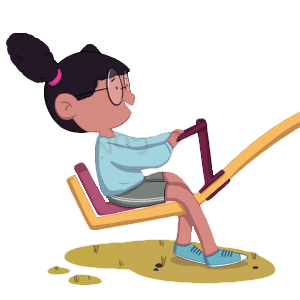
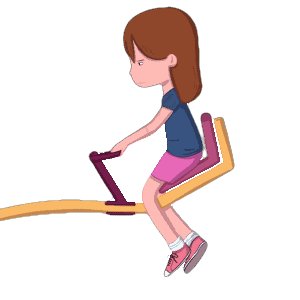
We were in the fifth grade when Molly began developing curves in places that were still barren and flat on me. The blossom of womanhood came unusually early for her, and it was a flower that was as foreign to most of the girls in our school as a bath was to most of the boys. With each growing bud, the balance in our friendship shifted. Equality was no longer measured by how long we could keep the teeter-totter hovering in mid-air; it was now subject to a tape measure with slashes between each double-digit figure. And 36-24-36 will trump 24-24-24 every time.
Boys started talking to Molly—not the boys in our class who were usually just asking for a piece of gum or wondering which day Sloppy Joes would be served for lunch, but the older ones who’d previously only looked at the two of us as human-shaped traffic cones blocking their way to the cafeteria. Notes were slipped to Molly. Time that she usually spent with me dwindled away, and laughs we used to share became awkward silences. The ankle-length dresses were replaced with hip-hugging jeans; high necklines morphed into clingy v-necks that dipped low into her emerging cleavage; and makeup appeared on her face, splashed with vibrant abandon like graffiti.
Kindness dissolved into jealousy. Jealousy simmered into resentment.
I watched our friendship slip away, bidding it farewell with bitter comments and petty arguments. I didn’t mind that Molly no longer needed my guidance or protection. It didn’t bother me that the kingdom I had opened up to her no longer held any appeal. I stayed behind to rule the playground as my best friend gained access to a new world I didn’t understand—a mysterious place where the older kids reigned and toys were relics of another age. And I burned with hurt and anger that she didn’t take me with her.
Even hide-and-seek changed. New boys joined in our “fun,” bringing their own definition with them, and they were only interested in looking for Molly. I stopped being tiny and became invisible. I could’ve stood behind a dandelion with fluorescent sparklers dripping from my hair and still wouldn’t have been caught. And the weirdest of all things would happen: the boys always managed to find her.
Our friendship officially ended the day Molly blew off my invitation for a tetherball match with a lie about staying home to watch her sisters. She didn’t know that word was out in the halls and I knew the truth: she had been invited to play a new game that afternoon with her new friends. It was called “Hide and Go Get It.” Nobody knew the details of the game, but it was something “good” girls weren’t supposed to play, and the school gossip mill waited eagerly to descend with vicious glee on anyone who was involved.
I waited at the tetherball post after school—part of me hoping that Molly would change her mind and meet me for a match, the other part raging at her for treating me like an afterthought after all I’d done to take care of her and hoping she would come begging for my forgiveness before I smugly kicked her to the curb. I still don’t know which part of me wanted to win the most. It doesn’t matter; she never came.
We didn’t play together, again, after that day. Molly had more fun with the boys. But the names my other friends started to call her didn’t sound so fun to me—neither did the things people said when she walked by in the hallway. And when I overheard my family whispering in ominous tones about Molly, with the word fast slipping out, I knew that wherever she had gone in her new journey was not a place I was ready for, nor was I interested in visiting it anytime soon. My playground kingdom would suit me just fine for the next few years, and I was in no hurry to leave.
Molly and I would still see each other at school and pass each other on the street in our neighborhood, but we wouldn’t speak. Not anymore. A choice was made on the day she joined in that game of Hide and Go Get It, and I wished her well with it. I hope it gave her whatever she was looking for; something tells me it didn’t.
No, I never did figure out what exactly the boys “got” that day. But, whatever it was, I decided they could keep it.
* Note: They ALWAYS check the tree first.

Games are fun.
Well, they’re supposed to be, anyway. But I guess it really depends on who’s playing. And what their definition of “fun” is. And it’s probably a whole lot more fun for the winner than the loser. After all, what’s fun to a cat is a descent into bloody terror for the mouse cowering between the trash can and kitchen cabinet. Only one thing is walking away with a spring in its step, and ten to one it ain’t the mouse.
For a ten-year-old me, with homework done and hours to kill till dinnertime, games were the bread of life. Kickball, Simon Says, Red Rover, Red Light/Green Light—any day the sun was shining was a day to get lost in sugar-fueled mayhem and not find my way home till a nose was broken or someone lost a shoe. And if I could manage to get into the house, clean the mud from my jeans, and cover up the swelling lump over my right ear before my parents noticed the street lights had come on thirty minutes ago, I…was…GOLDEN.
One of my favorite games was hide-and-seek. It was a simple game, to the point without a bunch of rules to remember and with a clear, unforgettable objective: hide and don’t get found. It was the one time being the size of an adult Smurf actually worked in my favor. You didn’t have to be strong to win at hide-and-seek. You didn’t have to be the tallest or the oldest. It helped to be kind of smart, but as long you weren’t stupid enough to hide behind a tree*, you had a fighting chance. But best of all, all you really had to be to win was small and quiet—two things I could do in spades. I could fit into hidden crevices, I could squeeze between bushes, and I could stay still.
But as good as I was, my best friend, Molly, was even better. If we could’ve turned hide-and-seek into a professional sport, half the elementary school would’ve been wearing jerseys with her name scrawled across the back in hot pink glitter. She just had a knack for finding that one spot where nobody would think to look, and she’d suddenly become camouflaged once she got there. Her pink dress would somehow blend in with the brown pile of pine cones. Her green culottes managed to fade into the sleet gray metal of the playground slide.
Molly could hide from anything, anywhere, at any time…until the moment she suddenly couldn’t.
In the beginning, Molly was quiet and shy. She was the girl immortalized in our fourth grade class picture, smiling sweetly into the camera in a lacy white dress with the hem brushing against her ankles and a high button collar hugging the curve of her throat. She was still new to the country at the time, and the fashion trends of our school hadn’t yet invaded her closet. Her mother’s culture draped her like a blanket, and she found comfort in its familiarity.
I was the leader in our friendship. It was a role I accepted with gracious authority and benevolent command. Like a bird with a new hatchling, I took Molly under my wing, guiding her through the promised land of the school playground and blessing her entry into the hallowed ground of the neighborhood park. I introduced her to a new crowd to run with and gave her a new blanket to wrap her identity in. It was my world, and I allowed Molly to flourish in it. And in my most grandiose act of selfless kindness, I even allowed her to believe we were equals.
We were in the fifth grade when Molly began developing curves in places that were still barren and flat on me. The blossom of womanhood came unusually early for her, and it was a flower that was as foreign to most of the girls in our school as a bath was to most of the boys. With each growing bud, the balance in our friendship shifted. Equality was no longer measured by how long we could keep the teeter-totter hovering in mid-air; it was now subject to a tape measure with slashes between each double-digit figure. And 36-24-36 will trump 24-24-24 every time.
Boys started talking to Molly—not the boys in our class who were usually just asking for a piece of gum or wondering which day Sloppy Joes would be served for lunch, but the older ones who’d previously only looked at the two of us as human-shaped traffic cones blocking their way to the cafeteria. Notes were slipped to Molly. Time that she usually spent with me dwindled away, and laughs we used to share became awkward silences. The ankle-length dresses were replaced with hip-hugging jeans; high necklines morphed into clingy v-necks that dipped low into her emerging cleavage; and makeup appeared on her face, splashed with vibrant abandon like graffiti.
Kindness dissolved into jealousy. Jealousy simmered into resentment.
I watched our friendship slip away, bidding it farewell with bitter comments and petty arguments. I didn’t mind that Molly no longer needed my guidance or protection. It didn’t bother me that the kingdom I had opened up to her no longer held any appeal. I stayed behind to rule the playground as my best friend gained access to a new world I didn’t understand—a mysterious place where the older kids reigned and toys were relics of another age. And I burned with hurt and anger that she didn’t take me with her.
Even hide-and-seek changed. New boys joined in our “fun,” bringing their own definition with them, and they were only interested in looking for Molly. I stopped being tiny and became invisible. I could’ve stood behind a dandelion with fluorescent sparklers dripping from my hair and still wouldn’t have been caught. And the weirdest of all things would happen: the boys always managed to find her.
Our friendship officially ended the day Molly blew off my invitation for a tetherball match with a lie about staying home to watch her sisters. She didn’t know that word was out in the halls and I knew the truth: she had been invited to play a new game that afternoon with her new friends. It was called “Hide and Go Get It.” Nobody knew the details of the game, but it was something “good” girls weren’t supposed to play, and the school gossip mill waited eagerly to descend with vicious glee on anyone who was involved.
I waited at the tetherball post after school—part of me hoping that Molly would change her mind and meet me for a match, the other part raging at her for treating me like an afterthought after all I’d done to take care of her and hoping she would come begging for my forgiveness before I smugly kicked her to the curb. I still don’t know which part of me wanted to win the most. It doesn’t matter; she never came.
We didn’t play together, again, after that day. Molly had more fun with the boys. But the names my other friends started to call her didn’t sound so fun to me—neither did the things people said when she walked by in the hallway. And when I overheard my family whispering in ominous tones about Molly, with the word fast slipping out, I knew that wherever she had gone in her new journey was not a place I was ready for, nor was I interested in visiting it anytime soon. My playground kingdom would suit me just fine for the next few years, and I was in no hurry to leave.
Molly and I would still see each other at school and pass each other on the street in our neighborhood, but we wouldn’t speak. Not anymore. A choice was made on the day she joined in that game of Hide and Go Get It, and I wished her well with it. I hope it gave her whatever she was looking for; something tells me it didn’t.
No, I never did figure out what exactly the boys “got” that day. But, whatever it was, I decided they could keep it.
* Note: They ALWAYS check the tree first.
Games are fun.
Well, they’re supposed to be, anyway. But I guess it really depends on who’s playing. And what their definition of “fun” is. And it’s probably a whole lot more fun for the winner than the loser. After all, what’s fun to a cat is a descent into bloody terror for the mouse cowering between the trash can and kitchen cabinet. Only one thing is walking away with a spring in its step, and ten to one it ain’t the mouse.
For a ten-year-old me, with homework done and hours to kill till dinnertime, games were the bread of life. Kickball, Simon Says, Red Rover, Red Light/Green Light—any day the sun was shining was a day to get lost in sugar-fueled mayhem and not find my way home till a nose was broken or someone lost a shoe. And if I could manage to get into the house, clean the mud from my jeans, and cover up the swelling lump over my right ear before my parents noticed the street lights had come on thirty minutes ago, I…was…GOLDEN.
One of my favorite games was hide-and-seek. It was a simple game, to the point without a bunch of rules to remember and with a clear, unforgettable objective: hide and don’t get found. It was the one time being the size of an adult Smurf actually worked in my favor. You didn’t have to be strong to win at hide-and-seek. You didn’t have to be the tallest or the oldest. It helped to be kind of smart, but as long you weren’t stupid enough to hide behind a tree*, you had a fighting chance. But best of all, all you really had to be to win was small and quiet—two things I could do in spades. I could fit into hidden crevices, I could squeeze between bushes, and I could stay still.
But as good as I was, my best friend, Molly, was even better. If we could’ve turned hide-and-seek into a professional sport, half the elementary school would’ve been wearing jerseys with her name scrawled across the back in hot pink glitter. She just had a knack for finding that one spot where nobody would think to look, and she’d suddenly become camouflaged once she got there. Her pink dress would somehow blend in with the brown pile of pine cones. Her green culottes managed to fade into the sleet gray metal of the playground slide.
Molly could hide from anything, anywhere, at any time…until the moment she suddenly couldn’t.
In the beginning, Molly was quiet and shy. She was the girl immortalized in our fourth grade class picture, smiling sweetly into the camera in a lacy white dress with the hem brushing against her ankles and a high button collar hugging the curve of her throat. She was still new to the country at the time, and the fashion trends of our school hadn’t yet invaded her closet. Her mother’s culture draped her like a blanket, and she found comfort in its familiarity.
I was the leader in our friendship. It was a role I accepted with gracious authority and benevolent command. Like a bird with a new hatchling, I took Molly under my wing, guiding her through the promised land of the school playground and blessing her entry into the hallowed ground of the neighborhood park. I introduced her to a new crowd to run with and gave her a new blanket to wrap her identity in. It was my world, and I allowed Molly to flourish in it. And in my most grandiose act of selfless kindness, I even allowed her to believe we were equals.
We were in the fifth grade when Molly began developing curves in places that were still barren and flat on me. The blossom of womanhood came unusually early for her, and it was a flower that was as foreign to most of the girls in our school as a bath was to most of the boys. With each growing bud, the balance in our friendship shifted. Equality was no longer measured by how long we could keep the teeter-totter hovering in mid-air; it was now subject to a tape measure with slashes between each double-digit figure. And 36-24-36 will trump 24-24-24 every time.
Boys started talking to Molly—not the boys in our class who were usually just asking for a piece of gum or wondering which day Sloppy Joes would be served for lunch, but the older ones who’d previously only looked at the two of us as human-shaped traffic cones blocking their way to the cafeteria. Notes were slipped to Molly. Time that she usually spent with me dwindled away, and laughs we used to share became awkward silences. The ankle-length dresses were replaced with hip-hugging jeans; high necklines morphed into clingy v-necks that dipped low into her emerging cleavage; and makeup appeared on her face, splashed with vibrant abandon like graffiti.
Kindness dissolved into jealousy. Jealousy simmered into resentment.
I watched our friendship slip away, bidding it farewell with bitter comments and petty arguments. I didn’t mind that Molly no longer needed my guidance or protection. It didn’t bother me that the kingdom I had opened up to her no longer held any appeal. I stayed behind to rule the playground as my best friend gained access to a new world I didn’t understand—a mysterious place where the older kids reigned and toys were relics of another age. And I burned with hurt and anger that she didn’t take me with her.
Even hide-and-seek changed. New boys joined in our “fun,” bringing their own definition with them, and they were only interested in looking for Molly. I stopped being tiny and became invisible. I could’ve stood behind a dandelion with fluorescent sparklers dripping from my hair and still wouldn’t have been caught. And the weirdest of all things would happen: the boys always managed to find her.
Our friendship officially ended the day Molly blew off my invitation for a tetherball match with a lie about staying home to watch her sisters. She didn’t know that word was out in the halls and I knew the truth: she had been invited to play a new game that afternoon with her new friends. It was called “Hide and Go Get It.” Nobody knew the details of the game, but it was something “good” girls weren’t supposed to play, and the school gossip mill waited eagerly to descend with vicious glee on anyone who was involved.
I waited at the tetherball post after school—part of me hoping that Molly would change her mind and meet me for a match, the other part raging at her for treating me like an afterthought after all I’d done to take care of her and hoping she would come begging for my forgiveness before I smugly kicked her to the curb. I still don’t know which part of me wanted to win the most. It doesn’t matter; she never came.
We didn’t play together, again, after that day. Molly had more fun with the boys. But the names my other friends started to call her didn’t sound so fun to me—neither did the things people said when she walked by in the hallway. And when I overheard my family whispering in ominous tones about Molly, with the word fast slipping out, I knew that wherever she had gone in her new journey was not a place I was ready for, nor was I interested in visiting it anytime soon. My playground kingdom would suit me just fine for the next few years, and I was in no hurry to leave.
Molly and I would still see each other at school and pass each other on the street in our neighborhood, but we wouldn’t speak. Not anymore. A choice was made on the day she joined in that game of Hide and Go Get It, and I wished her well with it. I hope it gave her whatever she was looking for; something tells me it didn’t.
No, I never did figure out what exactly the boys “got” that day. But, whatever it was, I decided they could keep it.
* Note: They ALWAYS check the tree first.


